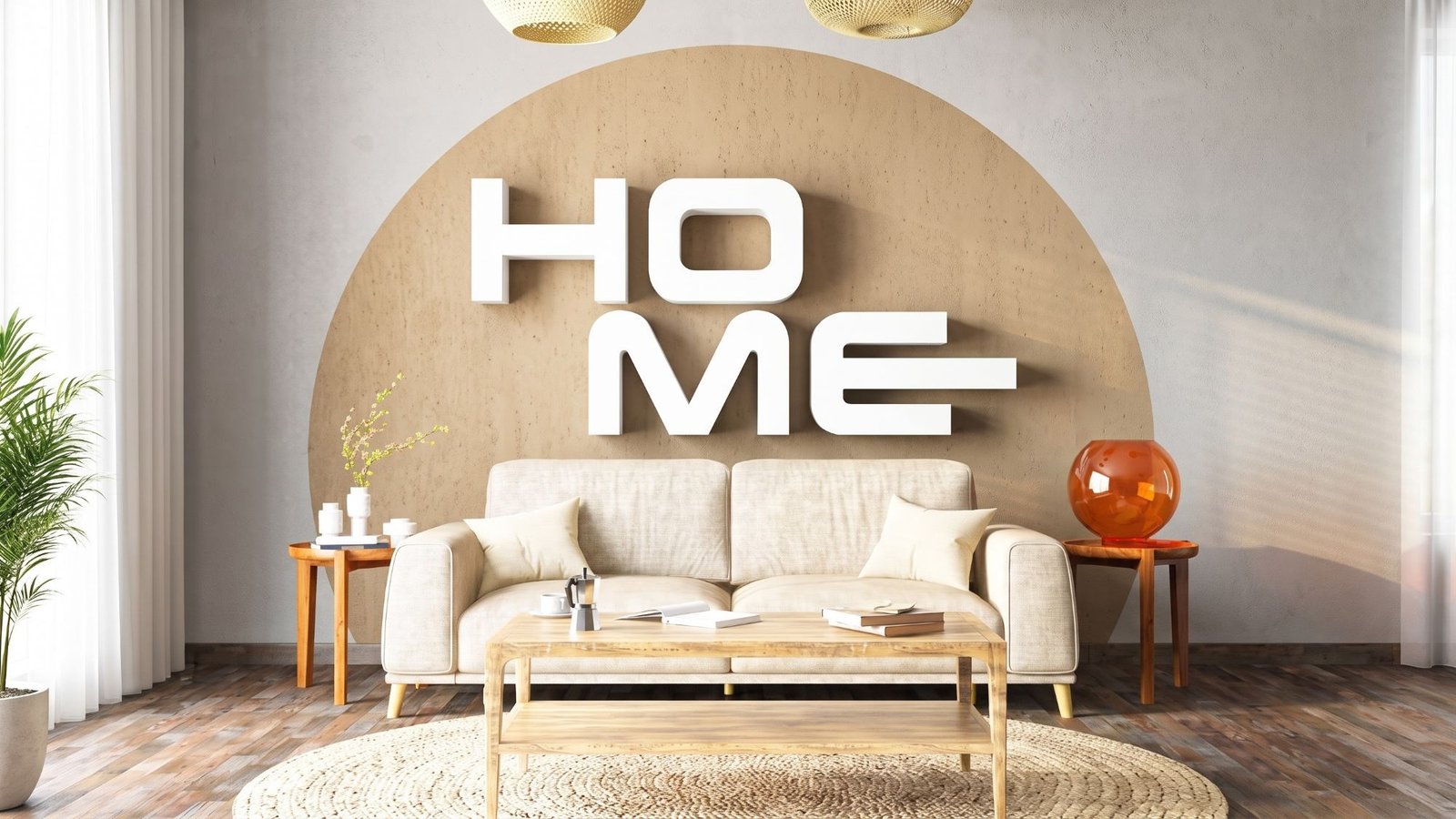
What Is the Economy Home Decor and How Can You Get It on a Budget?

Economy home decor is the art of making your home look stylish, comfortable, and personal without spending a fortune. It focuses on affordable decorating choices, smart shopping, DIY updates, secondhand finds, and creative styling rather than expensive furniture or designer pieces.
In simple terms, economy home decor is not about making your home look “cheap.” It is about making thoughtful decisions with your money so your space feels beautiful, functional, and welcoming on a realistic budget.
Whether you are decorating your first apartment, refreshing a family home, furnishing a rental, or simply trying to save money, economical home decor can help you create a space you love without financial stress.
What Is Economy Home Decor?
Economy home decor refers to budget-conscious decorating that uses affordable furniture, accessories, paint, textiles, thrifted pieces, repurposed items, and simple styling techniques to improve the look and feel of a home.
It is built around three main ideas:
- Spend less without sacrificing style.
- Use what you already have creatively.
- Invest only where it truly matters.
Economical decorating does not mean filling your home with low-quality items. Instead, it means knowing where to save, where to splurge, and how to make inexpensive pieces look intentional.
For example, you might buy a secondhand wooden coffee table, repaint it, style it with books and a vase, and make it look like a curated design piece. That is economy home decor in action.
Why Economy Home Decor Is So Popular
Economy home decor has become popular because people want homes that feel polished and personal without overspending. Rising living costs, smaller spaces, rental living, and a growing interest in sustainability have all made budget-friendly decorating more appealing.
It is also more accessible than ever. You can find affordable decor at thrift stores, discount retailers, online marketplaces, estate sales, clearance sections, and even in your own storage closet.
Another reason people love economy home decor is that it encourages creativity. Instead of copying a showroom, you build a home with personality, character, and meaning.
Economy Home Decor vs. Cheap Home Decor
There is a difference between economy home decor and simply buying the cheapest items available.
| Economy Home Decor | Cheap Home Decor |
| Focuses on value and style | Focuses only on the lowest price |
| Mixes affordable, thrifted, and quality pieces | Often relies on disposable items |
| Looks intentional and curated | Can look mismatched or temporary |
| Uses creativity and smart styling | May lack planning |
| Saves money over time | Can cost more if items break quickly |
The goal is not to buy everything at the lowest price. The goal is to create the best-looking home for the money you can comfortably spend.
How to Get Economy Home Decor on a Budget
Decorating on a budget starts with a plan. Without one, it is easy to buy random items that do not work together. The smartest economy home decor strategy is to decide what your space needs before you shop.
1. Set a Realistic Decorating Budget
Before buying anything, decide how much you can spend. Your budget does not need to be large, but it should be clear.
Break it down by category:
- Furniture
- Paint or wall treatments
- Rugs
- Lighting
- Curtains
- Storage
- Decorative accents
- DIY supplies
For example, if you have $300 to refresh a living room, you might spend $100 on a rug, $60 on curtains, $50 on lighting, $40 on throw pillows, and the rest on thrifted accessories or paint.
A budget helps you prioritize instead of impulse-buying small items that quickly add up.
2. Start With What You Already Own
The most affordable home decor is the decor you already have. Before shopping, walk through your home and look for items you can move, repaint, restyle, or repurpose.
You may already have:
- Picture frames that can be painted
- Old lamps that need new shades
- Baskets for storage
- Books for coffee table styling
- Vases, jars, or bowls
- Extra fabric that can become pillow covers
- Furniture that can be rearranged
Sometimes a room feels new simply because the layout changes. Try moving furniture before buying more.
3. Choose a Simple Color Palette
A clear color palette makes inexpensive decor look more cohesive. When colors work together, even budget pieces feel intentional.
For economical home decor, choose:
- One main neutral color
- One or two accent colors
- One natural texture, such as wood, wicker, linen, or rattan
For example:
- White, beige, olive green, and natural wood
- Gray, navy, cream, and brass
- Warm taupe, terracotta, black, and woven textures
A simple palette helps you avoid buying random decor that does not match your home.
4. Shop Secondhand First
Thrift stores, flea markets, yard sales, estate sales, and online marketplaces are some of the best places to find affordable home decor. Many secondhand items are of better quality than new budget pieces, especially solid-wood furniture, ceramic vases, mirrors, lamps, and framed art.
Great secondhand decor finds include:
- Coffee tables
- Nightstands
- Dining chairs
- Mirrors
- Lamps
- Baskets
- Picture frames
- Artwork
- Books
- Decorative bowls
- Accent chairs
When shopping secondhand, look at the item’s shape and quality, not just its current color or finish. Paint, stain, new hardware, or updated fabric can completely change the look.
5. Use Paint for a Big Impact
Paint is one of the most budget-friendly ways to transform a home. A fresh wall color, a painted furniture piece, or an updated cabinet can make a room feel completely different.
Affordable paint projects include:
- Painting an accent wall
- Updating an old dresser
- Refreshing kitchen cabinets
- Painting interior doors
- Creating a faux headboard
- Painting thrifted frames
- Adding color to a bookshelf
If you are renting, consider removable wallpaper, peel-and-stick tiles, or temporary wall decals instead.
6. Focus on Lighting
Lighting can make budget decor look much more expensive. A room with poor lighting often feels unfinished, even if the furniture is nice.
Use a mix of lighting sources:
- Overhead lighting
- Floor lamps
- Table lamps
- Wall sconces
- String lights
- LED candles
Warm light bulbs usually make a room feel cozier than harsh, cool-toned bulbs. If you can make only one small update, swapping bulbs and adding a lamp can instantly improve a space’s mood.
7. Add Textiles for Comfort and Style
Textiles are an easy way to make an economical home decor feel layered and cozy. Rugs, curtains, pillows, throws, bedding, and table linens can soften a room and add color without major renovations.
Budget-friendly textile ideas:
- Use pillow covers instead of buying new pillows.
- Layer a smaller rug over a basic large rug.
- Hang curtains higher to make ceilings look taller.
- Add a throw blanket to a sofa or chair.
- Use a table runner for texture.
- Refresh bedding with affordable sheets and a simple duvet cover.
Textiles are especially useful if you live in a rental and cannot paint or renovate.
8. Decorate With Plants
Plants are one of the easiest ways to make a home feel fresh and inviting. They add color, texture, and life to a room without requiring expensive decor.
Affordable plant options include:
- Pothos
- Snake plant
- Spider plant
- ZZ plant
- Peace lily
- Succulents
- Herbs for the kitchen
If you do not have a green thumb, faux plants can work too. Just choose realistic-looking options and place them in simple pots or baskets.
9. Create DIY Wall Art
Wall art can be expensive, but there are many low-cost alternatives. DIY art adds personality and can be customized to your colors and style.
Try these budget wall decor ideas:
- Frame fabric scraps
- Print black-and-white family photos.
- Create abstract canvas art.
- Use vintage book pages.
- Frame postcards or travel mementos
- Hang woven baskets
- Make a gallery wall with thrifted frames.
- Use printable art downloads.
A large piece of DIY art can make a room feel finished without the cost of custom artwork.
10. Upgrade Small Details
Small details can make affordable furniture and decor look more elevated. Instead of replacing everything, upgrade the parts people notice.
Easy upgrades include:
- Changing cabinet knobs
- Replacing dresser pulls
- Adding peel-and-stick backsplash
- Updating lampshades
- Swapping outlet covers
- Using matching hangers
- Adding decorative trays
- Styling shelves intentionally
These small changes are inexpensive but can make a space feel cleaner and more designed.
Best Economy Home Decor Ideas by Room
Living Room
The living room is often the main gathering space, so focus on comfort and visual balance.
Budget-friendly ideas:
- Rearrange furniture for better flow.
- Add throw pillows in a consistent color palette.
- Use a thrifted coffee table.
- Hang affordable curtains high and wide.
- Add a large mirror to reflect light.
- Style a tray with books, candles, or a small plant.
- Use baskets to hide blankets, toys, or electronics.
If your sofa is older but still comfortable, use a slipcover or layered throws instead of replacing it.
Bedroom
A bedroom should feel calm and restful. You do not need expensive furniture to create that feeling.
Affordable bedroom decor ideas:
- Use matching pillowcases and simple bedding.
- Add wall-mounted shelves as nightstands.
- Paint an old dresser.
- Use thrifted lamps
- Hang curtains behind the bed for softness.
- Create a DIY headboard.
- Declutter surfaces for a cleaner look.
The bed is the focal point, so start there. Fresh bedding and a few well-chosen pillows can change the entire room.
Kitchen
Kitchen updates can be expensive, but small cosmetic changes can make a big difference.
Economy kitchen decor ideas:
- Add peel-and-stick backsplash
- Use open shelving for pretty dishes.
- Replace cabinet hardware
- Add a washable runner rug.
- Display cutting boards
- Use glass jars for pantry items.
- Add under-cabinet lighting
- Paint cabinets if your budget allows
Even a clean countertop with a bowl of fruit, a small plant, and a wooden board can make a kitchen feel styled.
Bathroom
Bathrooms are perfect for budget decorating because they are usually smaller spaces.
Affordable bathroom decor ideas:
- Replace the shower curtain.
- Add matching towels
- Use baskets for storage.
- Hang a framed print
- Upgrade the mirror
- Add peel-and-stick floor tiles.
- Use a small plant or eucalyptus bundle.
- Replace old hardware or towel hooks.
A bathroom can feel more luxurious with simple white towels, warm lighting, and clutter-free counters.
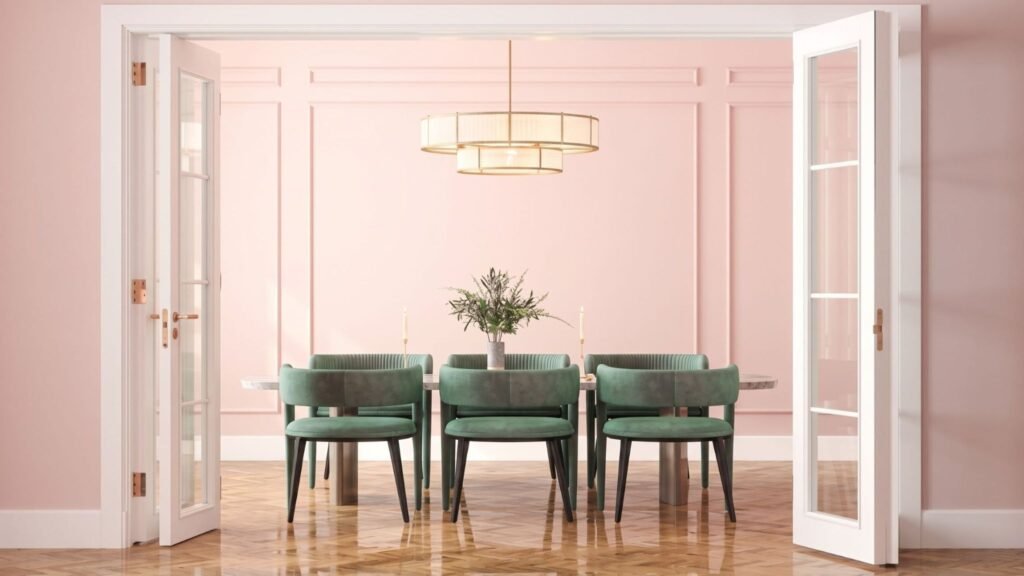
Dining Room
A dining room does not need a full matching furniture set to look good. In fact, mixed pieces can feel more interesting.
Budget dining room ideas:
- Paint mismatched chairs the same color.
- Use a thrifted table.
- Add a simple centerpiece.
- Hang a statement light fixture.
- Use placemats or a table runner.
- Add wall art or a mirror.
- Style a small cabinet as a bar or serving station.
If you cannot afford a new dining set, focus on chairs. Updated chairs can make an old table look intentional.
Entryway
Your entryway sets the tone for your home. Even a small space can be functional and attractive.
Economy entryway decor ideas:
- Add wall hooks
- Use a narrow thrifted table.
- Place a basket for shoes.
- Hang a mirror
- Add a small rug
- Use a tray for keys
- Include a plant or lamp.
A tidy entryway makes the whole home feel more organized.
Where to Buy Economy Home Decor
You can find economy home decor in many places if you know what to look for.
Best Places to Shop
- Thrift stores
- Yard sales
- Estate sales
- Flea markets
- Discount home stores
- Clearance sections
- Online marketplaces
- Buy Nothing groups
- Outlet stores
- Craft stores during sales
- Dollar stores for basics
- Local antique malls
- Furniture resale shops
When shopping, compare prices and quality. A $20 thrifted solid wood table may be a better buy than a $60 new table made from low-quality materials.
What to Buy New vs. Secondhand
Some items are great to buy secondhand, while others are better purchased new.
| Buy Secondhand | Consider Buying New |
| Wood furniture | Mattresses |
| Mirrors | Bedding |
| Lamps | Pillows |
| Frames | Upholstered items, unless clean and high quality |
| Baskets | Towels |
| Art | Bath mats |
| Dining chairs | Rugs, if hygiene is a concern |
| Books | Electrical items, if the condition is uncertain |
Secondhand shopping is excellent for character pieces. For hygiene and comfort, some items are better bought new when possible.
How to Make Budget Decor Look Expensive
The secret to making economy home decor look high-end is editing. A room often looks more expensive when it has fewer, better-styled items rather than too many small decorations.
Use These Designer Tricks
Choose larger decor pieces.
One large vase or piece of art usually looks better than many tiny objects.
Repeat colors.
Use the same accent color in several places to create a sense of flow.
Mix textures.
Combine wood, metal, glass, fabric, and woven materials for depth.
Avoid clutter.
Leave breathing room on shelves, tables, and counters.
Use symmetry.
Matching lamps, pillows, or frames can make a room feel polished.
Add contrast.
A black frame, dark lamp, or bold accent can make a neutral room feel more sophisticated.
Style in groups of three.
A vase, a book, and a candle on a tray can look simple and elegant.
Budget Home Decor Mistakes to Avoid
Economy decorating works best when you avoid common mistakes.
Buying Too Many Small Items
Small decor pieces may seem inexpensive, but they add up quickly and can make a room feel cluttered. Save for a few larger, more useful pieces instead.
Ignoring Measurements
Always measure before buying furniture, rugs, curtains, or wall art. A beautiful bargain is not a bargain if it does not fit.
Choosing Trend Over Function
Trendy decor can be fun, but avoid spending too much on items you may dislike in a year. Use trends in small, affordable accents.
Forgetting About Storage
A stylish room still needs to function. Baskets, shelves, cabinets, and hidden storage help keep budget decor looking clean.
Buying Everything at Once
Good economy home decor takes time. A collected home often looks better than a room filled in one shopping trip.
Simple Economy Home Decor Projects You Can Do This Weekend
If you want quick results, start with one small project.
Here are easy weekend ideas:
- Paint a thrifted side table.
- Create a gallery wall.
- Rearrange your living room
- Replace cabinet knobs
- Style open shelves
- Add peel-and-stick wallpaper to a small wall
- Make pillow covers
- Frame printable art
- Organize an entryway
- Refresh bathroom towels and accessories
- Add plants to empty corners
- Paint picture frames the same color
Small improvements can build momentum and help you enjoy your home more.
Example Budget: Refreshing a Room for Under $200
Here is how you might refresh a living room with a modest budget:
| Item | Estimated Budget |
| Thrifted coffee table | $35 |
| Throw pillow covers | $25 |
| Curtains | $40 |
| Table lamp | $30 |
| Large thrifted mirror | $35 |
| Plant and pot | $20 |
| Decorative tray | $15 |
| Total | $200 |
This type of budget refresh can make a room feel updated without replacing major furniture.
Is Economy Home Decor Sustainable?
Economy home decor can be more sustainable when it includes secondhand shopping, repurposing, repairing, and buying fewer disposable items. Instead of sending old furniture to a landfill, you can repaint, reupholster, or restyle it.
Sustainable budget decorating ideas include:
- Buying used furniture
- Choosing solid wood over flimsy materials
- Repairing before replacing
- Donating items you no longer use
- Repurposing jars, baskets, and fabric
- Avoiding fast, throwaway decor trends
The most sustainable decor is often the decor that lasts.
Final Thoughts: Stylish Homes Do Not Have to Be Expensive
Economy home decor is about decorating with intention, not limitation. You can create a beautiful home by mixing affordable finds, DIY projects, secondhand treasures, and thoughtful styling.
Start with what you have. Set a budget. Choose a color palette. Shop slowly. Focus on lighting, textiles, storage, and personal details. Over time, your home will feel more comfortable, cohesive, and uniquely yours.
A stylish home is not defined by how much money you spend. It is defined by how well your space supports your life, reflects your personality, and makes you feel at home.
FAQ’s
What does economy home decor mean?
Economy home decor means decorating your home in a stylish and practical way while keeping costs low. It includes affordable furniture, DIY projects, thrifted items, repurposed decor, and budget-friendly styling techniques.
How can I decorate my home on a very small budget?
Start by rearranging furniture, decluttering, using items you already own, adding affordable textiles, shopping secondhand, and doing simple DIY projects. Paint, plants, curtains, lighting, and thrifted accessories can make a big difference without a large budget.
Is economy home decor the same as cheap decor?
No. Economy home decor focuses on value, creativity, and smart spending. Cheap decor usually means buying the lowest-priced items without considering quality, durability, or style.
What are the best budget home decor items to buy?
Some of the best budget home decor items include throw pillow covers, curtains, lamps, mirrors, baskets, rugs, plants, picture frames, trays, and secondhand furniture.
Where can I find affordable home decor?
You can find affordable home decor at thrift stores, flea markets, estate sales, online marketplaces, discount retailers, clearance sections, craft stores, dollar stores, and local resale shops.
How do I make inexpensive decor look expensive?
Use a consistent color palette, avoid clutter, choose larger statement pieces, mix textures, upgrade hardware, add warm lighting, and style items in a clean, intentional way.
What room should I decorate first on a budget?
Start with the room you use most often, such as the living room, bedroom, or kitchen. Improving a high-use space will have the biggest impact on your daily life.
Can renters use economy home decor?
Yes. Renters can use removable wallpaper, peel-and-stick tiles, curtains, rugs, lamps, plants, wall art, storage baskets, and furniture styling to personalize a space without permanent changes.