
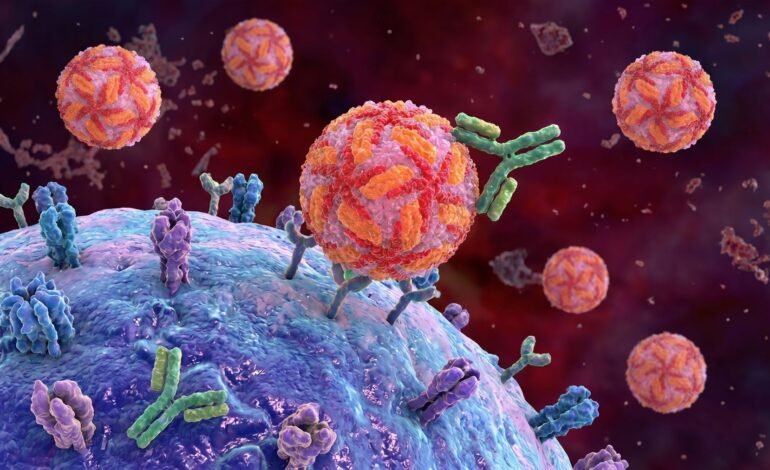
Powassan Virus: Causes, Symptoms & Treatment

Powassan virus is a rare but potentially serious illness spread to people through the bite of an infected tick. In the United States, Powassan virus is most often reported in the Northeast and Great Lakes regions, where blacklegged ticks are common. While many infections may cause no noticeable illness, some cases can become severe and affect the brain or nervous system.
The illness is concerning because there is currently no vaccine to prevent Powassan virus and no specific antiviral medicine designed to cure it. Care mainly focuses on managing symptoms and supporting the patient, especially if the infection causes meningitis or encephalitis.
For most people, the best protection is prevention: avoiding tick bites, using repellents, wearing protective clothing, checking the body after outdoor activity, and removing ticks quickly and correctly.
Key Facts About Powassan Virus
| Topic | Important Details |
| Disease type | Rare tick-borne viral infection |
| Main spread | Bite from an infected tick |
| Common U.S. areas | Northeast and Great Lakes regions |
| Typical season | Late spring through mid-fall |
| Symptom onset | Usually 1 week to 1 month after a tick bite |
| Severe complications | Meningitis, encephalitis, neurological problems |
| Specific cure | No targeted antiviral cure currently available |
| Main treatment | Supportive medical care |
| Best prevention | Tick-bite avoidance and prompt tick removal |
What Is Powassan Virus?
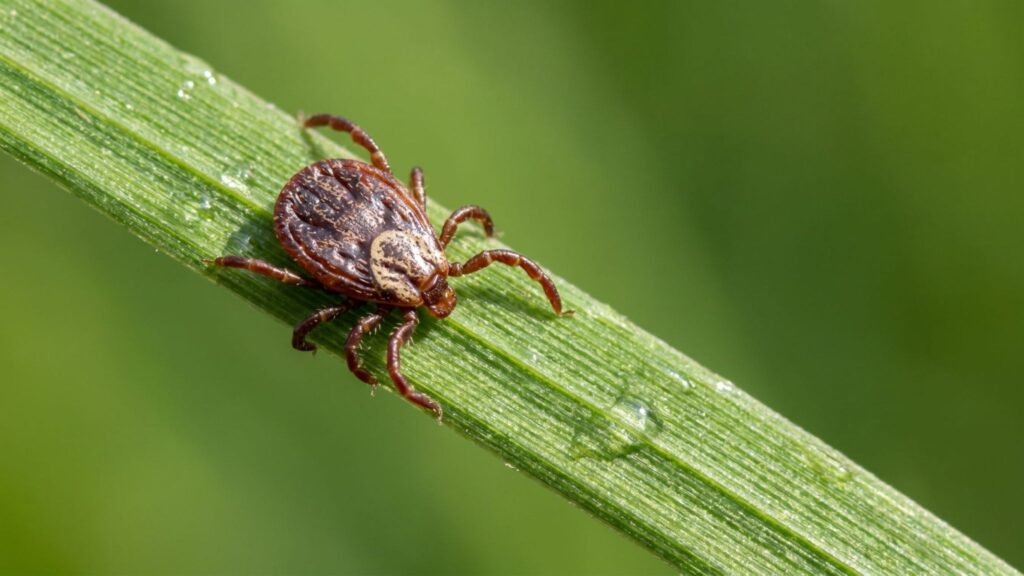
Powassan is a tick-borne virus that belongs to the flavivirus family. This family also includes other viruses that can affect the nervous system. The infection was first identified decades ago, but awareness has grown in recent years as more cases have been reported in parts of the United States.
The virus naturally circulates between ticks and small mammals. When an infected tick bites a person, the virus can enter the bloodstream. Humans are not the main hosts for the virus; instead, people are usually accidental hosts who become infected after spending time in tick habitats.
Although virus remains uncommon, it can be dangerous when it causes neuroinvasive disease, meaning the infection spreads to the brain, spinal cord, or surrounding membranes.
What Causes Powassan Virus?
Powassan virus infection is caused by exposure to the virus through an infected tick bite. The virus is maintained in nature through a cycle involving ticks and wildlife, particularly small mammals such as mice, squirrels, groundhogs, and other animals that ticks feed on.
Several types of ticks have been associated with Powassan virus, including:
- Blacklegged ticks, also called deer ticks
- Groundhog ticks
- Squirrel ticks
For humans, the blacklegged tick is especially important because it commonly bites people. This same tick is also known for transmitting Lyme disease, which is why people living in tick-prone areas should be aware of more than one tick-borne illness.
A person does not get Powassan virus from another person through normal contact such as hugging, coughing, sharing food, or being in the same room. The main risk is direct exposure to infected ticks.
How Powassan Virus Spreads
The primary way Powassan virus spreads is through the bite of an infected tick. A tick may become infected when feeding on an animal carrying the virus. Later, that tick can transmit the virus to a person during another blood meal.
Ticks are often found in:
- Wooded areas
- Tall grass
- Brushy trails
- Leaf litter
- Shaded yards
- Areas near stone walls or wooded edges
- Places where deer, mice, and other wildlife are common
One reason Powassan virus receives attention is that viral transmission may happen more quickly than some bacterial tick-borne infections. With Lyme disease, risk generally rises when the tick remains attached for a longer period. With Powassan virus, transmission may occur faster because the virus can be present in tick saliva.
That said, not every tick carries Powassan virus, and not every tick bite results in illness. Still, because the disease can be serious, tick prevention should be taken seriously.
Powassan Virus Symptoms
Powassan virus symptoms can vary widely. Some people may never feel sick, while others develop mild flu-like symptoms. In more serious cases, the infection can affect the central nervous system.
Symptoms often appear one week to one month after an infected tick bite. However, many people do not remember being bitten because ticks can be very small, especially in the nymph stage.
Common early Powassan virus symptoms may include:
- Fever
- Headache
- Vomiting
- Weakness
- Fatigue
- Muscle aches
- General feeling of illness
These early signs can be easy to mistake for another viral infection, which is why recent outdoor exposure is an important clue.
Severe Powassan Virus Symptoms
In some people, Powassan virus can progress to severe neurological disease. This may include inflammation of the brain, known as encephalitis, or inflammation of the membranes around the brain and spinal cord, known as meningitis.
More serious Powassan virus symptoms can include:
- Confusion
- Trouble speaking
- Loss of coordination
- Seizures
- Severe headache
- Stiff neck
- Weakness in the arms or legs
- Difficulty staying awake
- Behavioral changes
- Memory problems
Severe cases require urgent medical attention. When Powassan virus affects the brain or nervous system, hospitalization may be necessary for monitoring and supportive care.
When to Contact a Doctor
You should contact a healthcare provider if you develop symptoms after possible tick exposure, especially if you live in or recently visited a region where Powassan virus has been reported.
Medical care is especially important if symptoms include:
- High fever
- Severe headache
- Confusion
- Seizures
- Neck stiffness
- Trouble walking
- Trouble speaking
- Sudden weakness
- Loss of coordination
Even if you do not remember a tick bite, tell your provider about recent outdoor activities such as hiking, camping, gardening, hunting, yard work, or walking a dog in wooded or grassy areas.
How Rare Is the Powassan Virus?
Many people ask, “How rare is the Powassan virus?” The short answer is: it is rare, but it is considered serious because severe cases can be life-threatening.
In the United States, reported Powassan virus cases are still counted in relatively small numbers compared with more common tick-borne diseases such as Lyme disease. However, public health agencies have noted that reported cases have increased over time.
The infection is most often reported in areas where infected blacklegged ticks live, especially parts of the Northeast and Great Lakes regions. Even in those areas, the average person’s risk remains low, but outdoor exposure can increase the chance of tick bites.
So, how rare is the Powassan virus in everyday terms? Most tick bites will not lead to Powassan virus disease. Still, because the infection can cause severe brain inflammation, prevention is important for anyone spending time in tick habitat.
Where Powassan Virus Is Found in the United States
Powassan virus is most commonly associated with the Northeastern and Great Lakes regions of the United States. These areas provide suitable habitats for blacklegged ticks and the animals that support the tick life cycle.
States in these regions may see cases during tick season, particularly from late spring through fall. Risk can vary by county, local tick populations, weather patterns, wildlife activity, and human behavior.
Activities that may increase exposure include:
- Hiking
- Camping
- Hunting
- Fishing near wooded areas
- Gardening
- Raking leaves
- Walking pets
- Playing in tall grass
- Working outdoors
People who spend time outside regularly should make tick checks part of their routine, even if they are only in their own backyard.
Powassan Virus CT: Connecticut Risk and Meaning
The keyword “Powassan virus CT” is often used by people searching for information about Powassan virus in Connecticut. Connecticut is one of the states where blacklegged ticks are common, and the state has reported cases of tick-borne illnesses, including Powassan virus disease.
For Connecticut residents, the key message is simple: tick prevention matters. People in CT who spend time in wooded, grassy, or brushy areas should use repellents, wear protective clothing, check for ticks, and monitor symptoms after possible exposure.
The phrase “Powassan virus CT” can also cause confusion because “CT” may refer to a CT scan. A CT scan may be used in a hospital if a patient has neurological symptoms and doctors need to evaluate the brain. However, a CT scan by itself does not confirm Powassan virus. Diagnosis usually requires lab testing and clinical evaluation.
How Powassan Virus Is Diagnosed
Diagnosing Powassan virus can be challenging because early symptoms may resemble many other illnesses. A healthcare provider may consider Powassan virus when a patient has compatible symptoms and possible exposure to ticks.
Diagnosis usually involves:
- Medical history
The provider may ask about recent tick bites, outdoor activities, travel, and symptoms. - Physical and neurological exam
If symptoms suggest brain or nervous system involvement, the provider may check coordination, reflexes, speech, alertness, and muscle strength. - Blood or spinal fluid testing
Lab tests may look for antibodies or other evidence of infection. - Imaging when needed
CT scans or MRI may be used in severe cases to assess brain inflammation or rule out other causes.
Because Powassan virus is rare, testing is often coordinated through public health laboratories or specialized labs.
Powassan Virus Treatment
There is currently no specific antiviral drug approved as a direct Powassan virus treatment. Antibiotics do not work against viruses, so they do not cure Powassan virus infection.
For mild cases, care may include:
- Rest
- Fluids
- Fever control
- Pain relief as recommended by a healthcare provider
- Monitoring symptoms
For severe cases, Powassan virus treatment may require hospitalization. Supportive care may include:
- IV fluids
- Breathing support
- Seizure control
- Medication to reduce complications
- Monitoring for brain swelling
- Treatment of nausea or vomiting
- Rehabilitation after neurological injury
The goal of Powassan virus treatment is to help the body recover while preventing or managing complications. Patients with encephalitis or meningitis may need specialized care from infectious disease, neurology, or critical care teams.
Recovery After Powassan Virus
Recovery from Powassan virus depends on the severity of illness. People with mild symptoms may recover fully, while those with severe neurological disease may face a longer healing process.
Possible long-term effects after severe Powassan virus may include:
- Ongoing headaches
- Memory problems
- Muscle weakness
- Balance issues
- Speech difficulties
- Fatigue
- Reduced coordination
- Changes in concentration
Some patients may need physical therapy, occupational therapy, speech therapy, or neurological follow-up after hospitalization. Early medical evaluation can help reduce risks and improve care planning.
Powassan Virus in Dogs
Many pet owners search for Powassan virus in dogs because dogs often spend time in the same tick habitats as humans. While dogs can be exposed to ticks, naturally occurring serious Powassan virus in dogs appears to be uncommon based on available veterinary understanding.
The bigger concern is that dogs may bring ticks into the home. A tick attached to a dog, or crawling on a dog’s fur, may later move to a person. For this reason, pet tick prevention is also human tick prevention.
Dog owners should:
- Use veterinarian-recommended tick preventives
- Check dogs after walks or outdoor play
- Look around ears, neck, collar area, belly, legs, and between toes
- Keep grass trimmed in the yard
- Remove ticks promptly and safely
- Wash pet bedding regularly
When discussing Powassan virus in dogs, it is also important to remember that dogs can get other tick-borne diseases. When discussing Powassan virus in dogs, it is also important to remember that dogs can get other tick-borne diseases. If your dog becomes lethargic, feverish, develops a limp, or seems unusually weak after tick exposure, contact a veterinarian.
Powassan Virus vs. Lyme Disease
Powassan virus and Lyme disease can both be associated with blacklegged ticks, but they are very different infections.
| Comparison | Powassan Virus | Lyme Disease |
| Cause | Virus | Bacteria |
| Main vector | Infected ticks | Infected blacklegged ticks |
| Treatment | Supportive care | Antibiotics |
| Vaccine for humans | No widely available human vaccine | Depends on current availability and guidance |
| Frequency | Rare | Much more common |
| Severe risk | Brain and nervous system inflammation | Joint, nerve, heart, and other complications if untreated |
Lyme disease is far more common, but Powassan virus can be more immediately dangerous when it causes encephalitis or meningitis. Because ticks can carry more than one pathogen, preventing tick bites helps reduce the risk of several diseases at once.
Powassan Virus Prevention
Because there is no specific cure, prevention is the strongest defense against Powassan virus. A good prevention strategy starts before you go outdoors and continues after you come back inside.
Before Going Outdoors
To lower your risk of Powassan virus, prepare before entering tick habitat:
- Wear long sleeves and long pants
- Tuck pants into socks when walking through tall grass
- Choose light-colored clothing to spot ticks more easily
- Use an EPA-registered insect repellent
- Treat clothing and gear with permethrin when appropriate
- Avoid walking through brush and tall grass when possible
While Outdoors
During outdoor activities:
- Stay in the center of trails
- Avoid sitting directly on leaf litter
- Keep bags and jackets off the ground
- Keep children away from thick brush
- Check clothing during long hikes or outdoor work
After Coming Indoors
After possible tick exposure:
- Check your entire body for ticks
- Shower soon after coming inside
- Wash and dry clothing on high heat when appropriate
- Inspect backpacks, shoes, hats, and outdoor gear
- Check pets carefully
Ticks often attach in hidden areas, including behind the knees, around the waist, under arms, behind ears, in the hairline, and around the groin.
How to Remove a Tick Safely
Prompt tick removal is important for reducing the risk of tick-borne infections, including Powassan virus.
Follow these steps:
- Use fine-tipped tweezers.
- Grasp the tick as close to the skin as possible.
- Pull upward with steady, even pressure.
- Do not twist, crush, or jerk the tick.
- Clean the bite area with soap and water or antiseptic.
- Wash your hands after removal.
- Monitor for symptoms over the next several weeks.
Avoid folk remedies such as burning the tick, covering it with petroleum jelly, or using nail polish. These methods are not recommended and may delay proper removal.
Yard Tips to Reduce Tick Exposure
You can also reduce your risk of Powassan virus by making your yard less attractive to ticks.
Helpful steps include:
- Keep grass short
- Remove leaf piles
- Clear brush around the home
- Create a barrier of wood chips or gravel between lawns and wooded areas
- Stack firewood neatly in dry areas
- Keep playground equipment away from wooded edges
- Discourage deer and rodents from entering the yard
- Keep patios and seating areas away from dense vegetation
No yard can be made completely tick-free, but these steps can reduce exposure.
Powassan Virus Risk Factors
Some people may have a higher chance of exposure to Powassan virus because of where they live, work, or spend time outdoors.
Risk factors include:
- Living in a state where infected ticks are found
- Spending time in wooded or brushy areas
- Outdoor jobs such as landscaping, forestry, farming, or park maintenance
- Hiking, hunting, camping, or gardening
- Having pets that go outdoors
- Not using tick prevention products
- Not checking for ticks after outdoor activity
People of any age can become infected, but severe outcomes may be more concerning in older adults or people with weakened immune systems.
Citation-Friendly Summary: Powassan Virus Facts
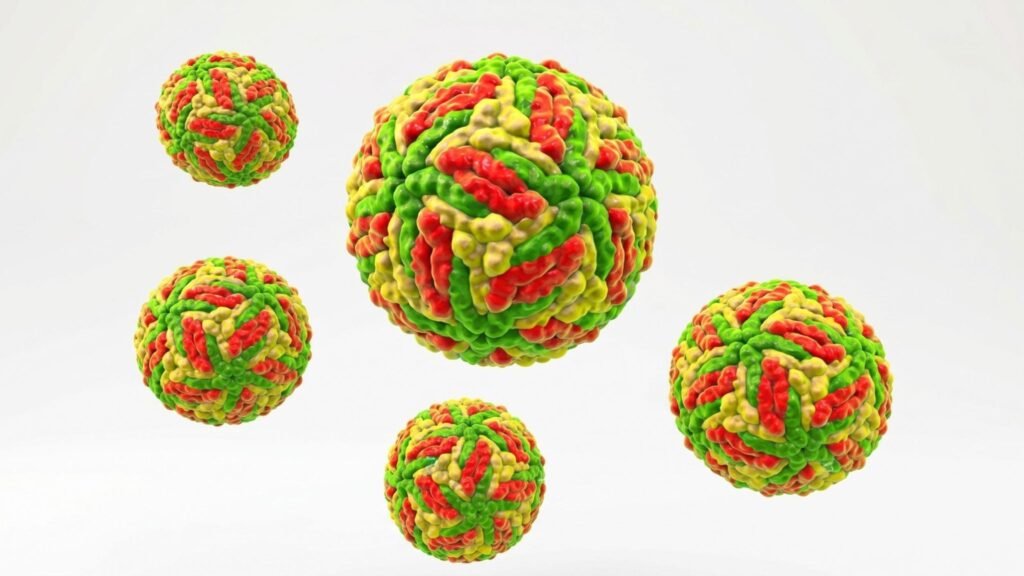
Here are concise, data-style facts that make the topic easier to understand:
- Powassan virus is a rare tick-borne viral disease.
- The virus is mainly spread through infected tick bites.
- U.S. cases are most often linked to the Northeast and Great Lakes regions.
- Powassan virus symptoms may begin 1 week to 1 month after exposure.
- Early symptoms may include fever, headache, vomiting, weakness, and fatigue.
- Severe illness may cause meningitis, encephalitis, confusion, seizures, or loss of coordination.
- There is no specific antiviral Powassan virus treatment.
- Hospital care may be needed for severe neurological disease.
- Powassan virus in dogs is not considered a common direct pet illness, but dogs can carry ticks indoors.
- Prevention depends on avoiding tick bites and checking for ticks after outdoor activity.
Conclusion
Powassan virus is rare, but it is a tick-borne infection worth knowing about because severe cases can affect the brain and nervous system. The illness may begin with general symptoms such as fever, headache, vomiting, and weakness, but it can progress to confusion, seizures, speech problems, or loss of coordination.
Since there is no specific cure or vaccine, the most effective strategy is prevention. Use repellents, dress carefully outdoors, check yourself and pets for ticks, remove ticks correctly, and seek medical care if symptoms appear after possible tick exposure.
For families, hikers, pet owners, gardeners, and anyone living in tick-prone areas, awareness of Powassan virus is a practical part of staying safe during tick season.
FAQ’s
What is Powassan virus?
Powassan virus is a rare virus spread by infected ticks. It can cause mild illness, but in some cases it affects the brain and nervous system.
What are the first Powassan virus symptoms?
Early Powassan virus symptoms may include fever, headache, vomiting, weakness, fatigue, and body aches. Severe symptoms may include confusion, seizures, trouble speaking, and loss of coordination.
How rare is the Powassan virus?
It is considered rare in the United States, with far fewer reported cases than Lyme disease. However, reported cases have increased over time, and severe infections can be dangerous.
Is there a Powassan virus treatment?
There is no specific antiviral Powassan virus treatment. Doctors provide supportive care, which may include fluids, fever control, seizure management, breathing support, and hospital monitoring in severe cases.
Can Powassan virus affect dogs?
Searches for Powassan virus in dogs are common, but serious naturally occurring illness in dogs appears uncommon. The main concern is that dogs can bring ticks into the home, increasing human exposure.
Can Powassan virus spread from person to person?
Powassan virus is not spread through person-to-person contact. The main route of infection is through the bite of an infected tick. The main route of infection is through the bite of an infected tick.
How can I prevent Powassan virus?
You can reduce risk by using tick repellent, wearing protective clothing, avoiding brushy areas, checking for ticks, showering after outdoor activity, and using veterinarian-approved tick prevention for pets.